Back
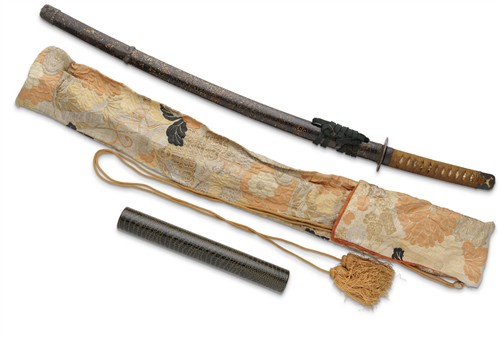
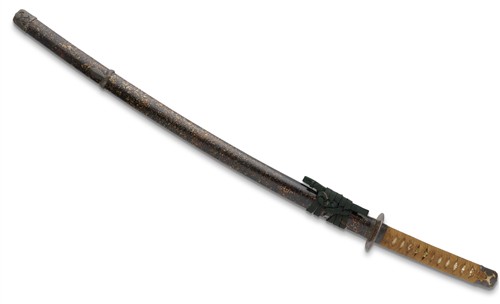
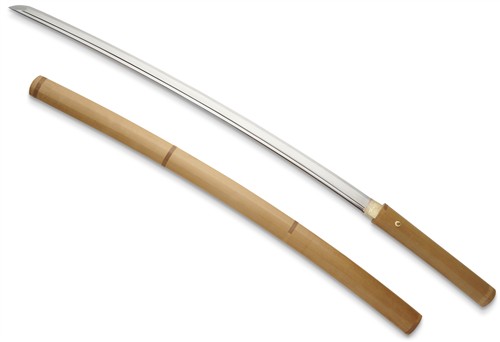
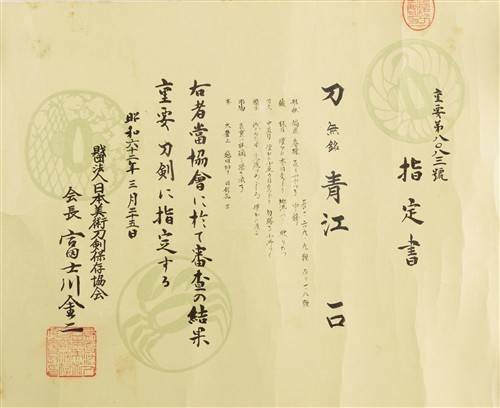
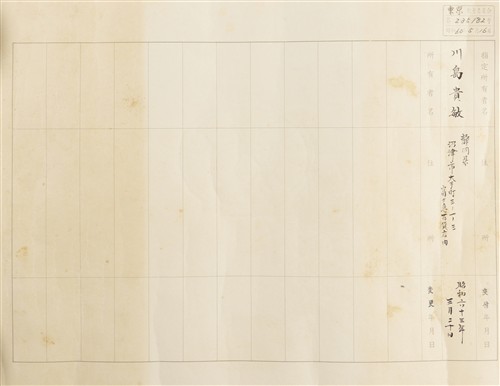
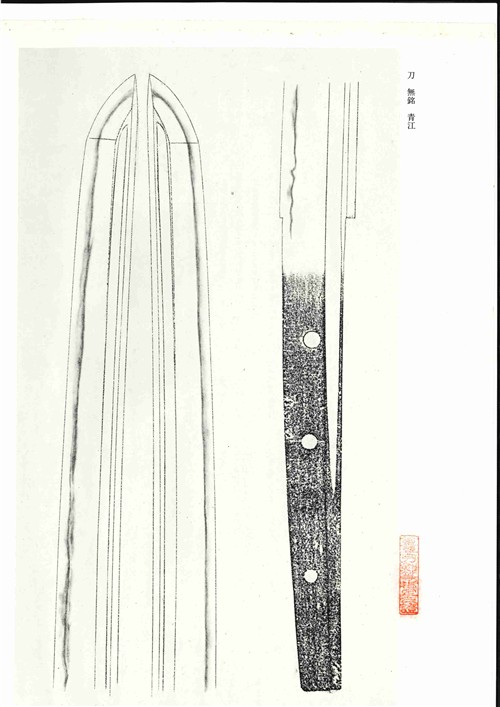
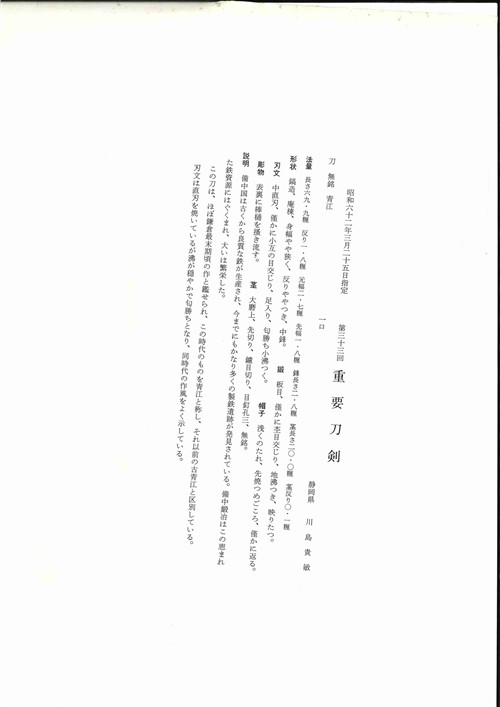
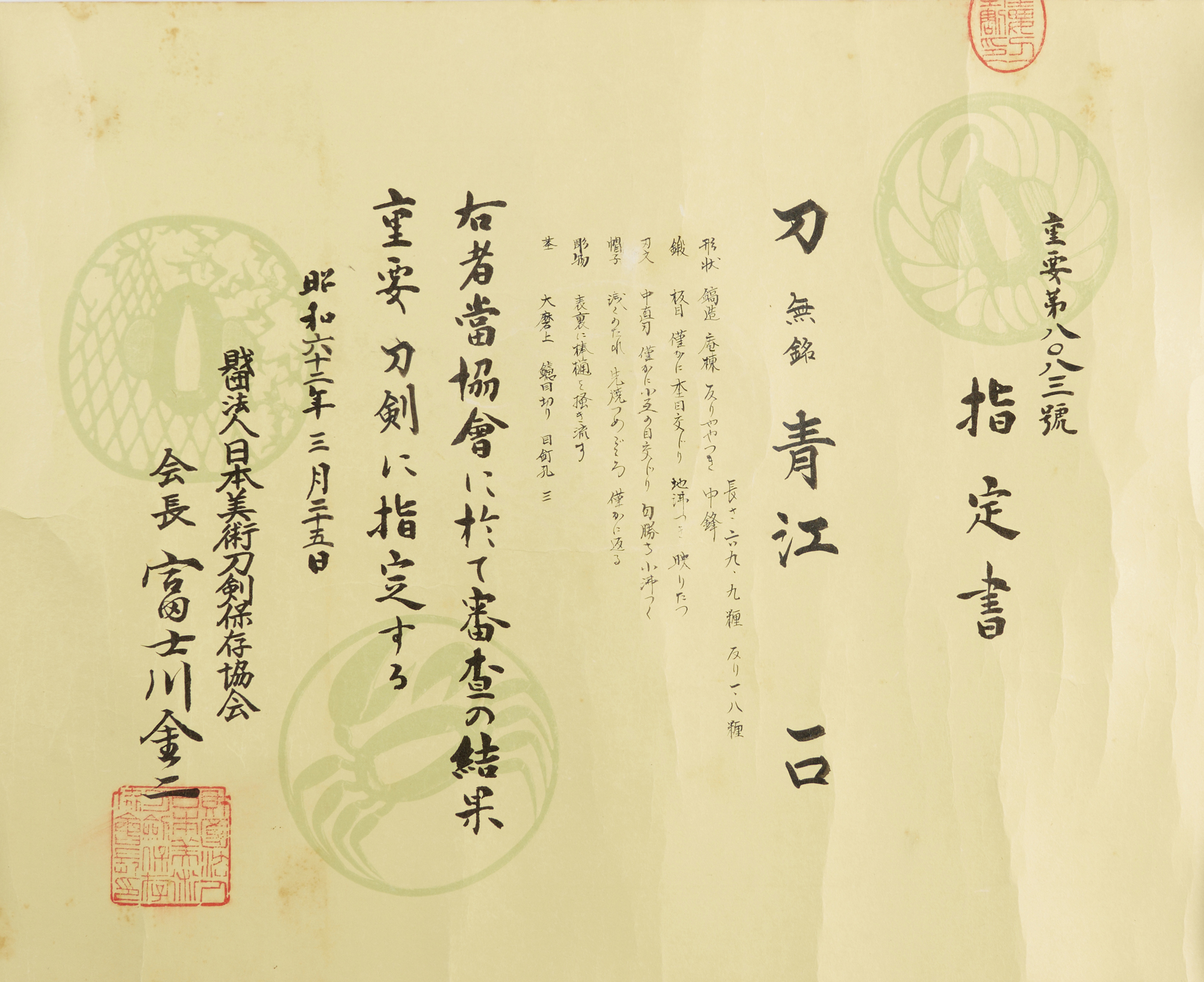
A JAPANESE KATANA ATTRIBUTED TO THE AOE SCHOOL, KAMAKURA/NAMBOKUCHO PERIOD, 14TH CENTURY, Unsigned, Designated Important Sword (Juyo Token), 25 March 1987 (Showa 62), 33rd Designation
A fine shinogi-zukuri katana with iori-mune and slender proportions, displaying a gentle curvature and a chu-kissaki. The hada is a well-textured itame with a slight mixture of mokume, over which a clear utsuri is visible.
The hamon is a calm suguha enlivened with small gunome, with ashi extending into the ha. The nie are fine and bright, imparting a misty quality (nioi-gachi). The boshi is a shallow notare, tending towards yakitsume-gokoro with a slight kaeri.
Both sides of the blade are carved with a bo-hi, running through to the tang. The nakago is o-suriage with a flat kirijiri end, three mekugi-ana, and no visible file marks.
The swordsmiths of Bitchu Province thrived under the region's renowned iron production, a tradition sustained by abundant smelting sites. This blade, attributed to the late Kamakura period Aoe school, reflects the transition from earlier Ko-Aoe works towards a more refined style. The restrained suguha tempered line, suffused with nioi-gachi, exemplifies the elegant and highly polished workmanship characteristic of the Aoe tradition at its peak.
Designated an Important Sword (Juyo Token) in 1987, this katana stands as an outstanding representative of the school's late Kamakura output.
Accompanied by a certificate of registration as Juyo Token [Important Sword], no. 88 issued by the Nihon Bijutsu Token Hozon Kyokai [Society for the Preservation of the Japanese Art Sword], dated Showa 62 (1987).
一口精美的鎬造(shinogi-zukuri)刀,庵棟(iori-mune),身形纖細,弧度柔和,帶有中切先(chu-kissaki)。地鐵(hada)為板目肌(itame),夾有少許木目肌(mokume),地肌紋理清晰可見,並顯現明顯映紋(utsuri)。
刃文(hamon)為平穩直刃(suguha),間以小互之目(gunome),足(ashi)延伸入刃部。沸粒(nie)細膩明亮,呈現微霧效果(nioi-gachi)。刀尖(boshi)略呈淺波狀(notare),趨近燒盡狀(yakitsume-gokoro),帶有輕微返(kaeri)。
刀身兩面均刻有貫通棒樋(bo-hi),直通刀茎(nakago)。刀茎為大磨上(o-suriage),切尻(kirijiri),有三目釘孔(mekugi-ana),無明顯鋸痕。
備中國(Bitchu Province)刀匠因當地優良鐵料而興盛,當地豐富的熔鐵遺址更證明了這一傳統。本刀傳為鎌倉晚期青江派作品,呈現自舊青江(Ko-Aoe)風格過渡至更為精緻的典雅樣式。其端莊的直刃(suguha)伴隨微霧沸粒(nioi-gachi),完美展現了青江派巔峰時期的精緻工藝。
本刀於昭和62年(1987年)被指定為重要刀劍(Jūyō Tōken),為青江派鎌倉晚期作品的傑出代表。
附有重要刀劍指定證書(Jūyō Tōken 登錄證書),編號88,由**日本美術刀劍保存協會(NBTHK)**於昭和62年(1987年)頒發。
Nagasa (blade length): 69.9 cm
Sori (curvature): 1.8 cm
Moto-haba (width at base): 2.7 cm
Saki-haba (width at tip): 1.8 cm
Kissaki length: 2.8 cm
Nakago (tang) length: 20.0 cm
Nakago curvature: approx. 0.1 cm
Unsold
Lot 286
A fine shinogi-zukuri katana with iori-mune and slender proportions, displaying a gentle curvature and a chu-kissaki. The hada is a well-textured itame with a slight mixture of mokume, over which a clear utsuri is visible.
The hamon is a calm suguha enlivened with small gunome, with ashi extending into the ha. The nie are fine and bright, imparting a misty quality (nioi-gachi). The boshi is a shallow notare, tending towards yakitsume-gokoro with a slight kaeri.
Both sides of the blade are carved with a bo-hi, running through to the tang. The nakago is o-suriage with a flat kirijiri end, three mekugi-ana, and no visible file marks.
The swordsmiths of Bitchu Province thrived under the region's renowned iron production, a tradition sustained by abundant smelting sites. This blade, attributed to the late Kamakura period Aoe school, reflects the transition from earlier Ko-Aoe works towards a more refined style. The restrained suguha tempered line, suffused with nioi-gachi, exemplifies the elegant and highly polished workmanship characteristic of the Aoe tradition at its peak.
Designated an Important Sword (Juyo Token) in 1987, this katana stands as an outstanding representative of the school's late Kamakura output.
Accompanied by a certificate of registration as Juyo Token [Important Sword], no. 88 issued by the Nihon Bijutsu Token Hozon Kyokai [Society for the Preservation of the Japanese Art Sword], dated Showa 62 (1987).
一口精美的鎬造(shinogi-zukuri)刀,庵棟(iori-mune),身形纖細,弧度柔和,帶有中切先(chu-kissaki)。地鐵(hada)為板目肌(itame),夾有少許木目肌(mokume),地肌紋理清晰可見,並顯現明顯映紋(utsuri)。
刃文(hamon)為平穩直刃(suguha),間以小互之目(gunome),足(ashi)延伸入刃部。沸粒(nie)細膩明亮,呈現微霧效果(nioi-gachi)。刀尖(boshi)略呈淺波狀(notare),趨近燒盡狀(yakitsume-gokoro),帶有輕微返(kaeri)。
刀身兩面均刻有貫通棒樋(bo-hi),直通刀茎(nakago)。刀茎為大磨上(o-suriage),切尻(kirijiri),有三目釘孔(mekugi-ana),無明顯鋸痕。
備中國(Bitchu Province)刀匠因當地優良鐵料而興盛,當地豐富的熔鐵遺址更證明了這一傳統。本刀傳為鎌倉晚期青江派作品,呈現自舊青江(Ko-Aoe)風格過渡至更為精緻的典雅樣式。其端莊的直刃(suguha)伴隨微霧沸粒(nioi-gachi),完美展現了青江派巔峰時期的精緻工藝。
本刀於昭和62年(1987年)被指定為重要刀劍(Jūyō Tōken),為青江派鎌倉晚期作品的傑出代表。
附有重要刀劍指定證書(Jūyō Tōken 登錄證書),編號88,由**日本美術刀劍保存協會(NBTHK)**於昭和62年(1987年)頒發。
Nagasa (blade length): 69.9 cm
Sori (curvature): 1.8 cm
Moto-haba (width at base): 2.7 cm
Saki-haba (width at tip): 1.8 cm
Kissaki length: 2.8 cm
Nakago (tang) length: 20.0 cm
Nakago curvature: approx. 0.1 cm
Estimate $55,000 - $85,000